Hackable history: Clay Interactive and Raspberry Pi at the Young V&A
Going to the museum used to mean “you can look, but you can’t touch.” Finding this model thoroughly boring, Clay Interactive put a bunch of Raspberry Pis inside the new exhibits they were developing at the V&A Museum of Childhood, helping to transform the building into the Young V&A.
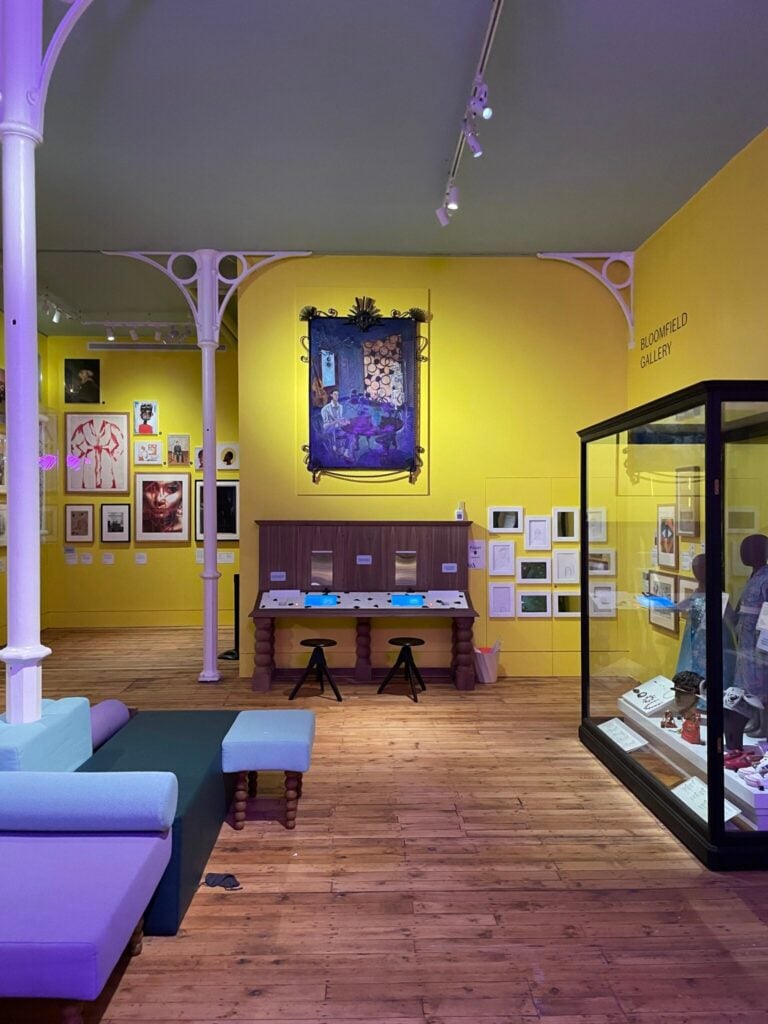
The interactive museum installations allow visitors to trigger sounds, videos, lights, and stories simply by moving around or pressing buttons. Much of the new hardware is powered by Raspberry Pi 4 and our High Quality Cameras.
The tech behind the magic
Clay Interactive’s installations are basically embedded systems hiding inside museum exhibits.
A typical setup features a Raspberry Pi 4 running all of the software, as well as any sensors, lights, or screens connected to the GPIO pins. It also powers motion detectors that sense when visitors are approaching, touchscreens and buttons programmed to trigger interactions, and all sorts of gubbins that provide feedback for those interactions, such as LED strips and audio or visual playback. Media is stored on SD cards for reliability and ease of updates.
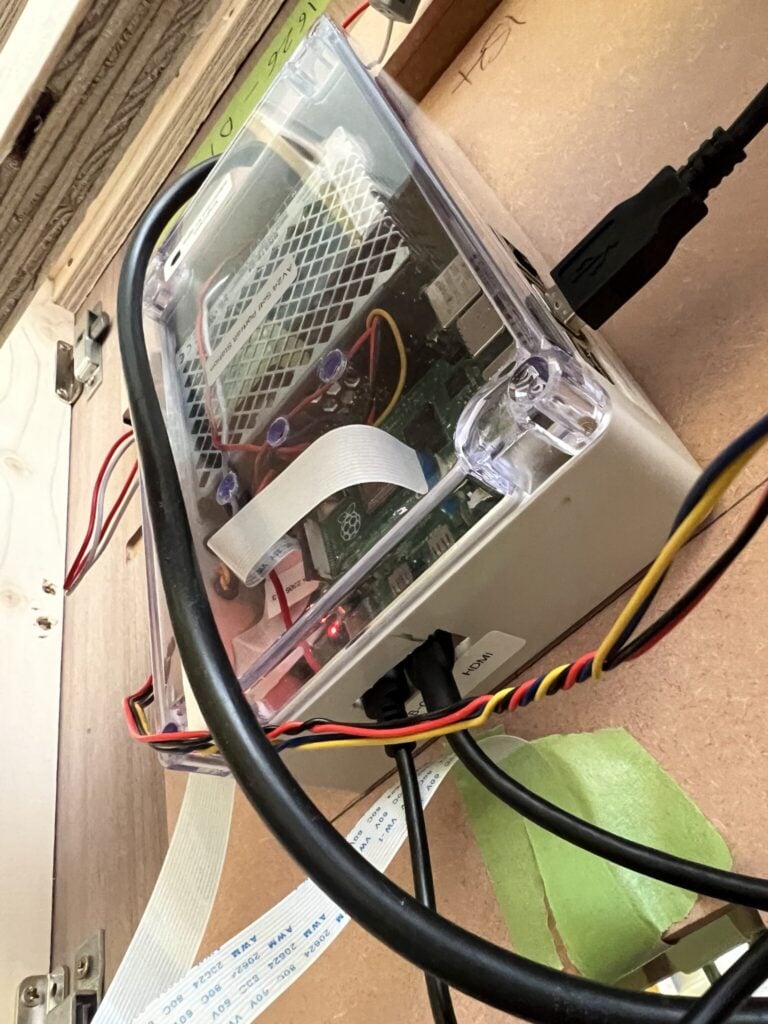
A number of interactions are triggered by walking close to the exhibits, causing stories to start playing. Others require visitors to pick up headphones to kick-start video playback, while some need physical button presses to activate lights or sounds.
The self-portrait station
A favourite exhibit is essentially a photo booth built on Raspberry Pi hardware. It features a Raspberry Pi 4, one of our cameras, a two-way mirror, LED lighting, and a touchscreen.
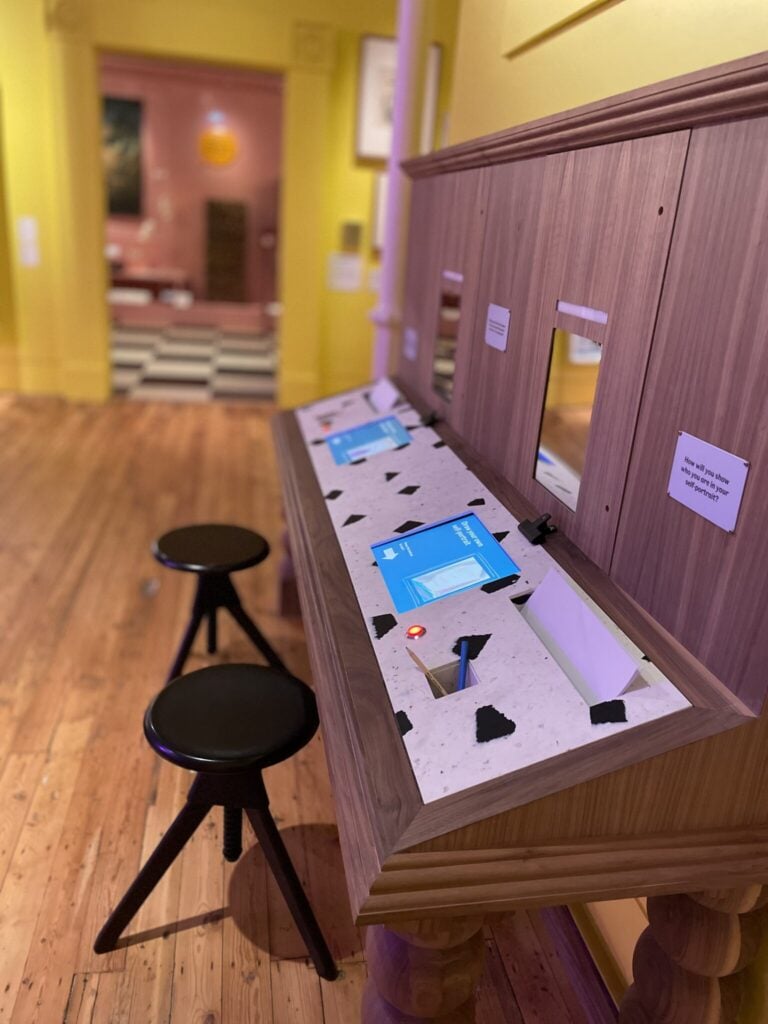
When a visitor sits down in front of the two-way mirror, a Raspberry Pi camera snaps their photo, showing the image on the screen in front of them. They are then invited to trace over the image with crayons to create their own self-portrait. Those portraits become part of the museum’s collection, allowing visitors to physically contribute to the history they are experiencing.
Why Raspberry Pi?
Clay Interactive liked our hardware because it allowed them to test lots of ideas quickly and affordably — there was no fear of sinking tonnes of money into something they couldn’t pull off in real life at the museum. It also made it really easy to change and update the exhibits, sometimes just by swapping out the SD card, with no need for complicated installations of new software. The GPIO pins enabled them to plug in and play with all sorts of peripherals, such as LEDs and screens. Also, because everything is open source, the team could mix and match tools freely.
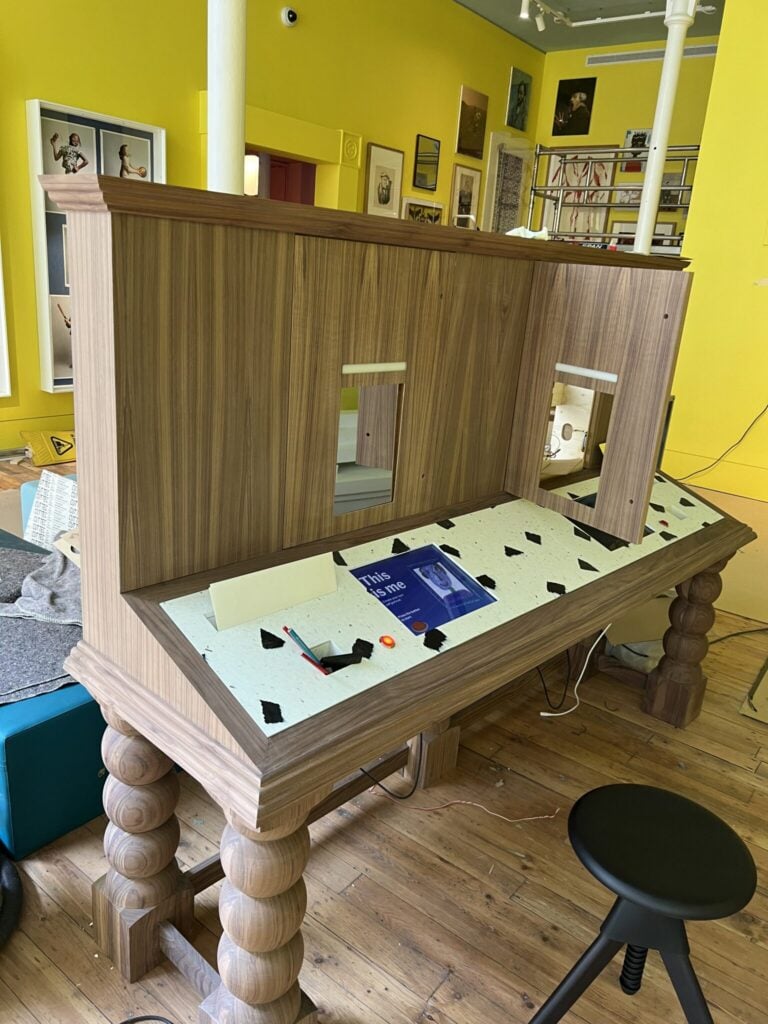
Museum installations go through a lot of testing; prototypes are often installed temporarily so that real visitors can interact with them and accidentally break them. For Clay Interactive, this process made it easier to identify ways to improve their designs, and using Raspberry Pi meant they could implement changes seamlessly with flexible, affordable hardware.
A quick history of the museum
The Young V&A (formerly the V&A Museum of Childhood) is a branch of the Victoria and Albert Museum designed specifically for children and young people. After decades of mainly displaying the history of toys and childhood, it was redeveloped to become a more interactive “doing museum”, where visitors learn through play, creativity, and hands-on activities.
Clay Interactive played a huge role in this. The museum wanted practical, engaging technology that would encourage visitors to participate directly in storytelling and creative activities, helping turn the space into a more immersive and playful experience. Sounds fun.
The post Hackable history: Clay Interactive and Raspberry Pi at the Young V&A appeared first on Raspberry Pi.
from News - Raspberry Pi https://ift.tt/6qUuMje
Labels: News - Raspberry Pi, IFTTT

0 Comments:
Post a Comment
Subscribe to Post Comments [Atom]
<< Home