Powered by Raspberry Pi: Singing fish, educational synths, and agile robots
This #MakerMonday, we present some of the newest additions to our suite of Powered by Raspberry Pi partner products. There are now hundreds on the list, and that number keeps growing. If you’d like to register your own product, apply for official Powered by Raspberry Pi status.
The new year started off strong for Raspberry Pi, with the launch of the brand-new Raspberry Pi AI HAT+ 2 and a great presence at the Consumer Electronics Show (CES) in Las Vegas, where Sixfab walked away with the Best of Innovation Award for its Raspberry Pi Compute Module 5–based ALPON X5 AI gateway. While certification for this in-development product is just around the corner, it was far from the only Raspberry Pi–based hardware on show. In fact, the roster of Powered by Raspberry Pi products now tops 350, with the validation seen as a badge of honour. The latest additions to our catalogue include an education-focused synthesiser, ultra-responsive fightsticks, a very visual AI tool, and an appealingly agile robot.
You can find detailed information about the compliance regulations and testing procedures for every Raspberry Pi product at pip.raspberrypi.com.
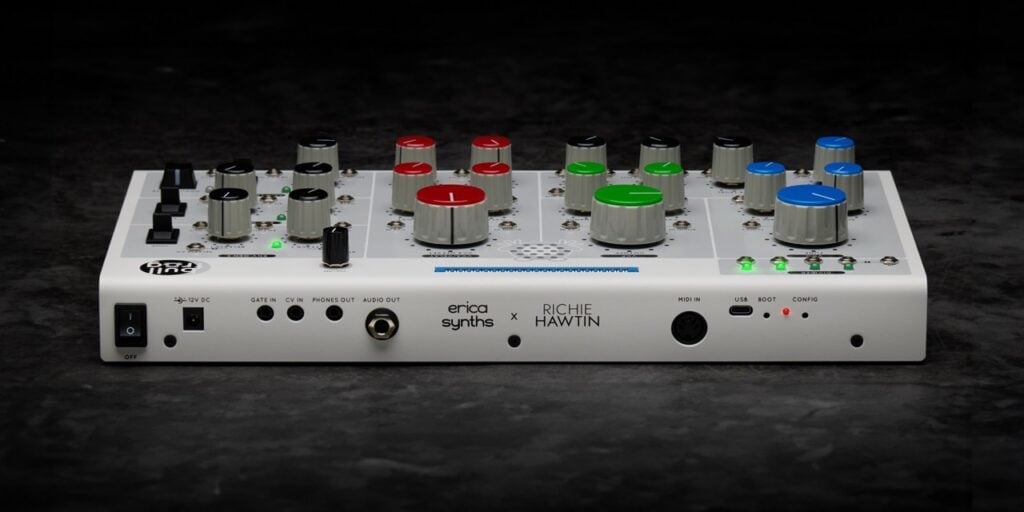
Erica Synths Bullfrog
Latvia | rpimag.co/bullfrog
Erica Synths designs and makes synthesisers and other electronic instruments, and prides itself on inspiring young musicians via its DIY approach. This, of course, chimes very neatly with Raspberry Pi, so we were delighted when the company chose RP2040 for Bullfrog, an educational instrument. Bullfrog was designed in collaboration with musician and pioneering DJ Richie Hawtin, who was especially keen to come up with a product that would capture the imagination of younger musicians and encourage experimentation. It boasts an analogue voltage-controlled oscillator and amp, noise generators and remixers, pre-patched voice cards with which to get started, plus three more voice cards for recording your own. There’s also a built-in speaker and the option to connect a studio monitor. See our review at rpimag.co/bullfrogreview.
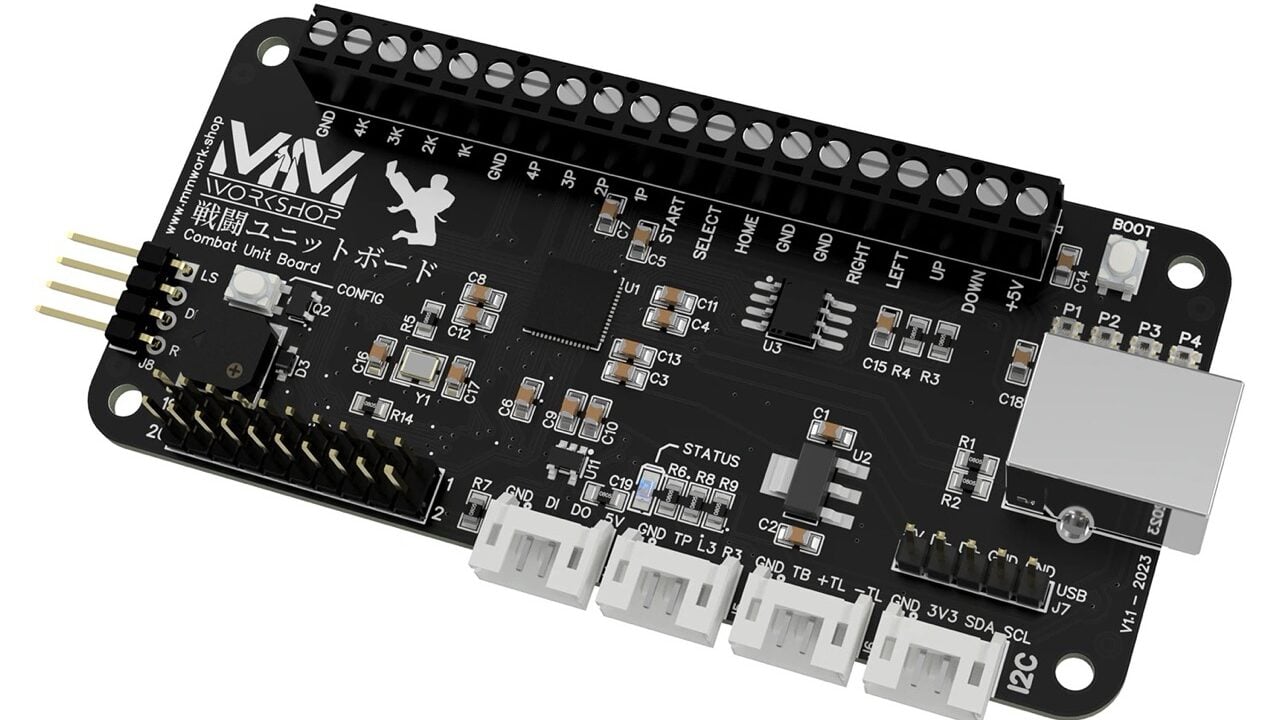
MM Workshop GP-2040 CE Combat Unit Board
France | rpimag.co/combatboard
Lightning-fast reaction times can be the difference between hero and zero if you’re a gamer, so the 0.45 millisecond response time of the GP-2040 Combat Unit Board is a real boon. MM Workshop’s USB board was designed specifically for gamers wanting to create their own controllers, fightsticks, and more. With a complete gamut of connectors for joysticks, buttons, LEDs, and USB 2.0 peripherals, this RP2040-based board works with gaming devices and gamepads for every brand, from Xbox to Nintendo Switch, as well as retro consoles. It has 13 different modes, including web-based and stickless gameplay, and can even be overclocked.
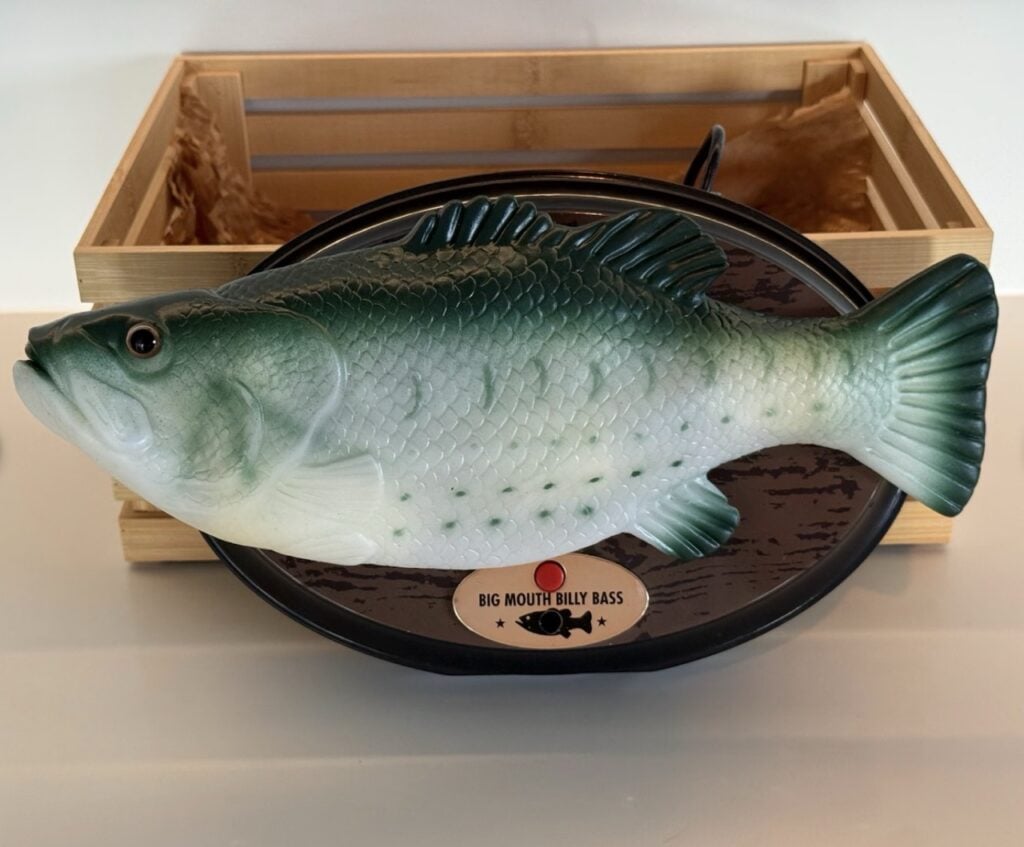
AI singing and talking fish
Netherlands | rpimag.co/aibillybass
Raspberry Pi takes on the singing Billy Bass once again (long-time readers may recall the project showcase we featured by Kevin McAleer: rpimag.co/billybass). This more advanced version is based on either Raspberry Pi Zero 2 W or Raspberry Pi 5, and is billed as a real-time conversational animatronic — a talking and singing (plastic) fish that also offers voice assistant capabilities. Maker Thom has hacked the original flapper to add smart home functions, while Billy Bass’ voice and smarmy back-chat can be fine-tuned via a web-based dashboard. It even recognises different users’ voices and displays different character traits depending on who it’s interacting with.
Ultralytics YOLO26
Spain | ultralytics.com
Founded by Spaniard Glenn Jocher, Ultralytics’ mission is to make AI both more straightforward and effective. The company now has several international bases, having made inroads into the competitive computer vision market. YOLO (You Only Look Once) works with the Raspberry Pi AI HAT+ and AI Camera. The latest evolution in the YOLO series of real-time object detectors is engineered from the ground up for edge and low-power devices such as Raspberry Pi. It’s a native end-to-end model that produces predictions without the need for non-maximum suppression (NMS), making it faster, lighter, and easier to deploy. This, of course, lends itself very nicely to Raspberry Pi projects.

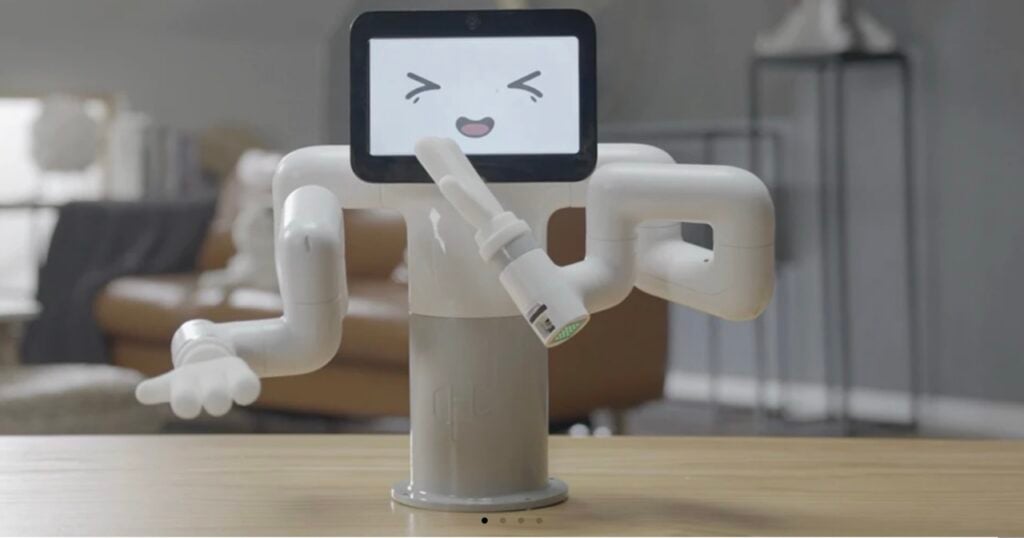
Elephant Robotics myBuddy 280
China | rpimag.co/mybuddy280
Robots don’t have to be big, bulky, and imposing. Elephant Robotics’ myBuddy is a far more friendly looking machine, with appealing movements reminiscent of a posable doll or a 1980s Rubik’s Snake puzzle. The pipe-like limbs on this two-armed robot can be endlessly rotated, and there are 13 degrees of movement overall. Equipped with a touchscreen display and a camera, myBuddy 280 is the company’s first Raspberry Pi–based dual-arm robot. It’s also the best-value model of its type, making it ideal for educational settings.
Besomi Raspberry Pi starter kit
Jordan/UAE | rpimag.co/besomistarterkit
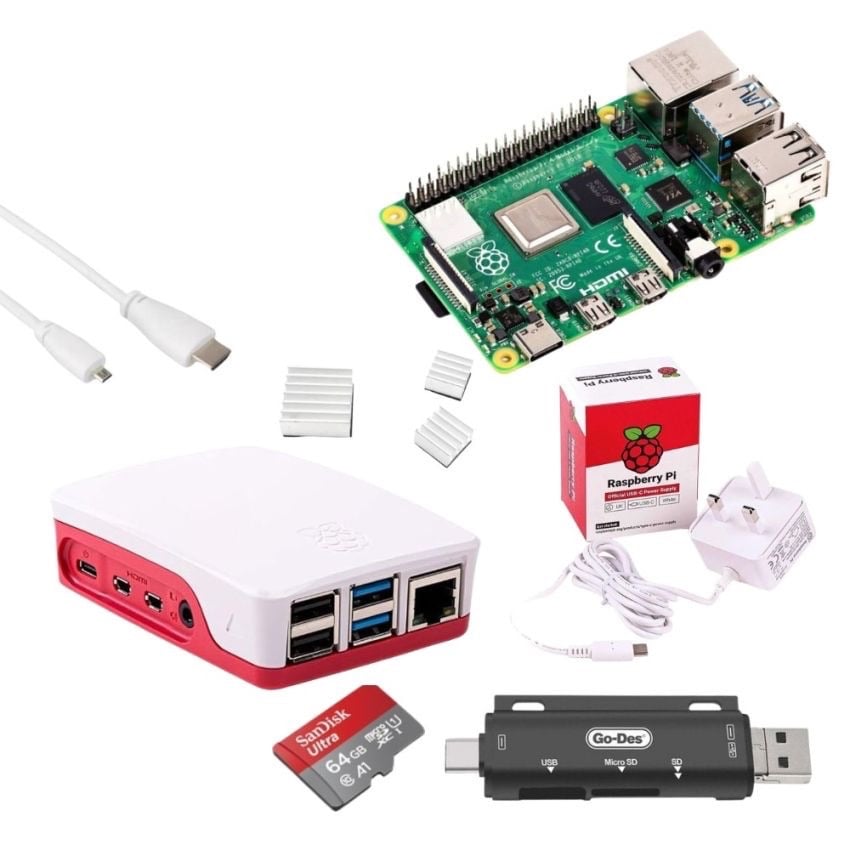
Besomi is a Middle Eastern reseller and solution provider with a 36-year track record of providing technology to a range of vertical markets, including automation and education. Its mission is to fuel tech advancement in the UAE and the wider region by sourcing and distributing top-tier electronic components, including a range of Raspberry Pi products and accessories. Besomi has a range of Raspberry Pi kits on sale, including this Raspberry Pi 4 starter kit. The collection includes a Raspberry Pi 4 with 4GB RAM, an official UK Raspberry Pi Power Supply (both the UK and UAE use Type-G plugs), a SanDisk 64GB microSD card with Raspberry Pi OS pre-installed, a USB reader, a 4K micro HDMI cable, and an aluminium heatsink.
Neotron Pico
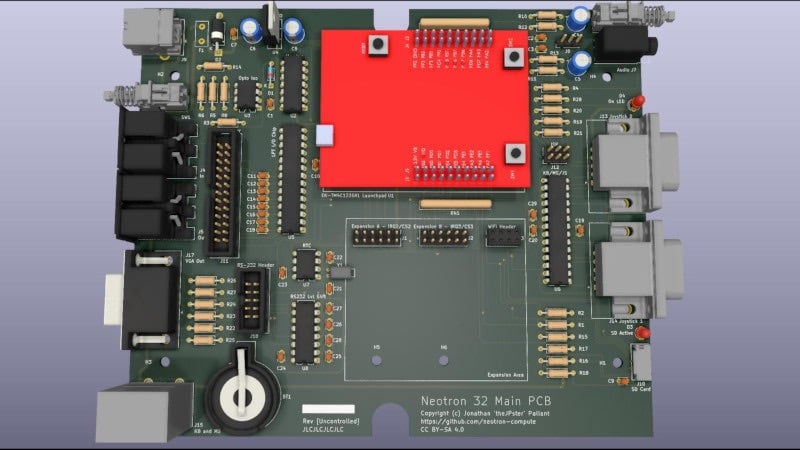
Cambridge-based developer Jonathan Pallant came up with this take on a classic 1980s Micro-ATX computer board, re-envisioned for the 2020s with an Arm CPU, a Raspberry Pi Pico, and expansion slots to add up to eight peripherals. The Neotron Pico uses Raspberry Pi Pico’s PIO state machines to generate 12-bit Super VGA video with 256 colours, as well as digital 16-bit 48kHz stereo audio. Jonathan has written a CP/M- or MS-DOS–like operating system for the retro computer in Rust, but the open source setup means the Neotron board can be programmed in any language and used with almost any hardware. The whole setup is designed for low power consumption and is suitable for passive cooling.
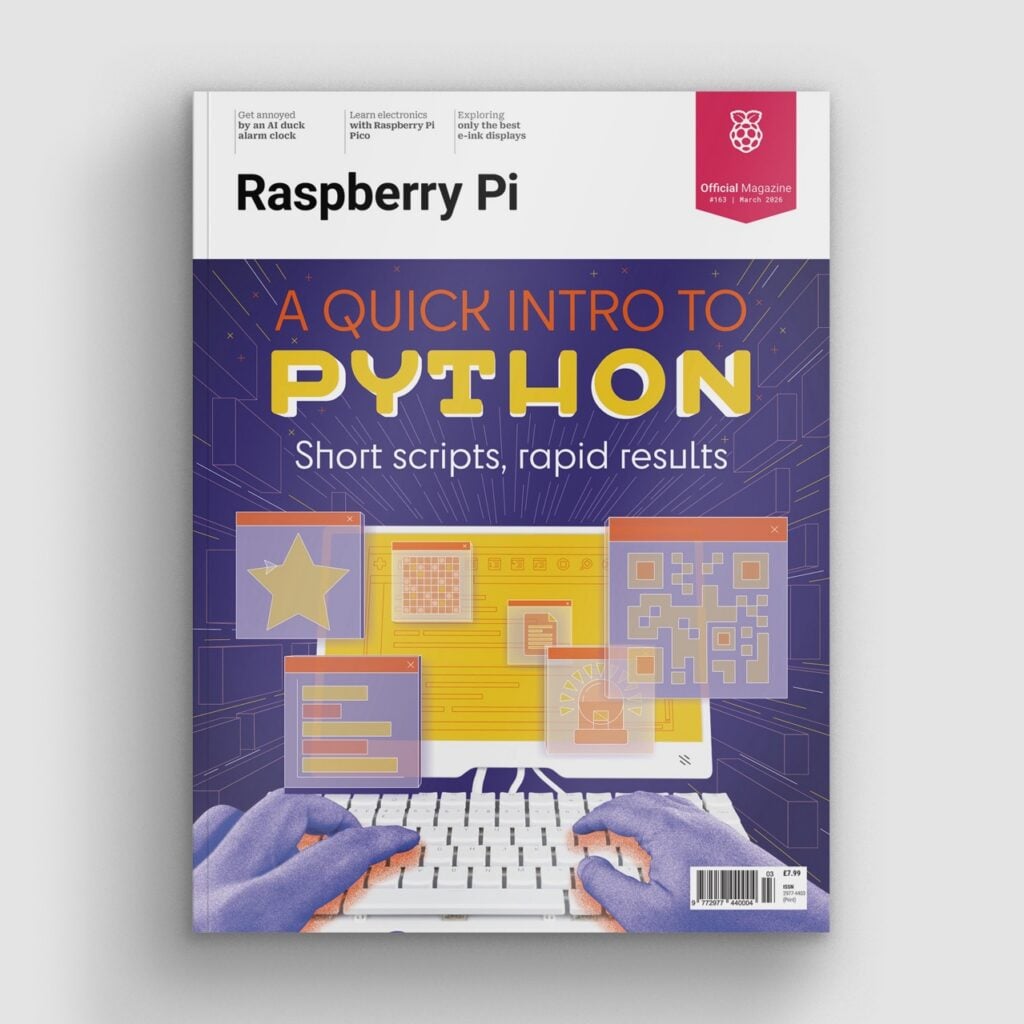
Show Raspberry Pi Official Magazine what you’ve been making
Every Monday, the folks behind Raspberry Pi Official Magazine ask the question: “Have you made something cool with a Raspberry Pi over the weekend?” Every Monday, their followers respond by sharing amazing photos and videos of the things they’ve made using the hashtag #MakerMonday.
You can find Raspberry Pi Official Magazine on Facebook, X, Threads, LinkedIn, and Mastodon. You can also contact the team via email: magazine@raspberrypi.com
The post Powered by Raspberry Pi: Singing fish, educational synths, and agile robots appeared first on Raspberry Pi.
from News - Raspberry Pi https://ift.tt/CXF6EwY
Labels: News - Raspberry Pi, IFTTT

0 Comments:
Post a Comment
Subscribe to Post Comments [Atom]
<< Home