SmartCoop: Controlling chickens with Java
The new issue of Raspberry Pi Official Magazine is here, and with it, this smart chicken coop project. With SmartCoop, a Raspberry Pi monitors feed and water levels, and schedules the opening and closing of the main door based on preconfigured times and weather data.
Owning a small flock of chickens means regularly opening and closing the coop’s main door, collecting the eggs, and making sure there is enough food and water. Given that most of this needs to be done daily, you’ll need to arrange for someone to perform these tasks if you want to get away for more than a day or two.
Enter SmartCoop. One of the key design goals behind this project was to ensure the system was robust enough that its creator, Dave Duncanson, could be away for up to a week without anyone physically attending to it, while still preventing the local foxes from getting to the chickens.
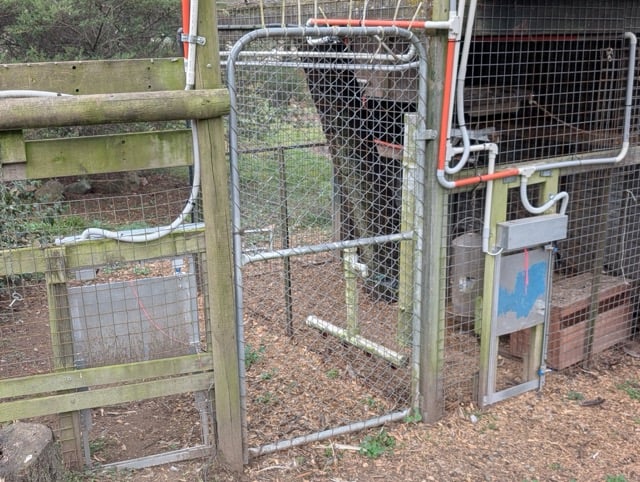
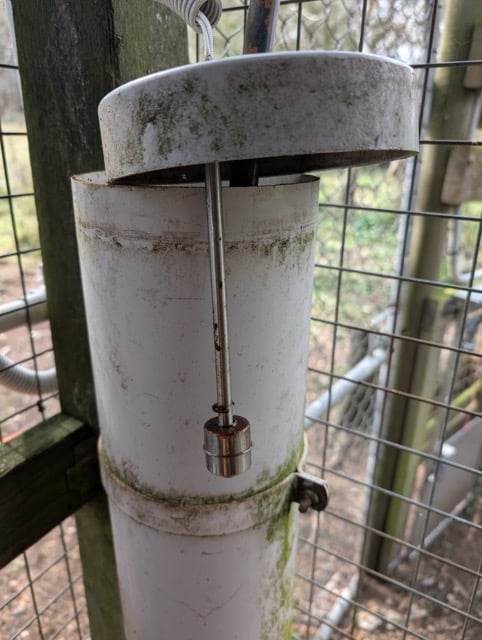
sensors measure things like water and food levels
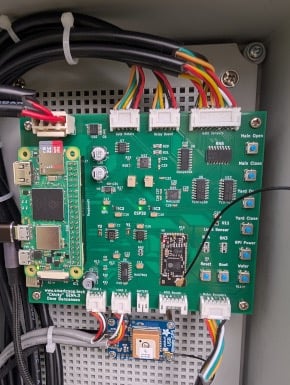
Dave started working on SmartCoop over ten years ago, and the current version contains the fourth generation of his custom-made PCB. With this new design, he could bump the system to use a Raspberry Pi Zero 2 W.
The full system contains an array of automated doors, light sensors, manual push buttons, water tank measurement tools, feeders, and so on. On the software side, an MQTT broker distributes the data, while a Java application based on Pi4J uses live weather data from an API, along with measurements from the sensors, to open and close the gates, keep track of feeding, and perform other tasks.
The project evolved not only because the technology changed, but also because it was being influenced by nature. Dave was struggling with a fox that loved to hunt the chickens and had learnt when the gates would open automatically. Because of this, the system was adapted to use the expected dawn and dusk times, only opening and closing the gate based on light sensor measurements.
Another problem was caused by Dave’s teenager. As anyone with kids will confirm, teenagers tend to forget a lot of important things, like closing the gate of the coop. To combat this, the SmartCoop monitors the gate and the status of the food and water supply, alerting a configurable number of people when something is wrong.
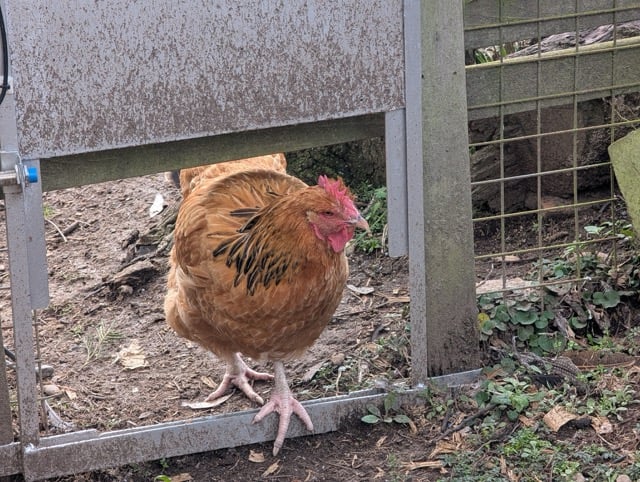
In the future, a UHF RFID reader, combined with an RFID ring for each of the chickens, could be added to the system to monitor whether they are all inside at night. By installing another one of these readers in each of the laying boxes, it would even be possible to keep track of the most (or least) productive chickens.
Raspberry Pi + ESP32
Around 80% of the core functionality is handled by a Raspberry Pi Zero 2 W running a Java application, which uses the Pi4J library to control the GPIO pins and interact with I2C devices. It also stores data in an H2 database and provides GPS and NTP functionality, event scheduling, and a template-based web interface.
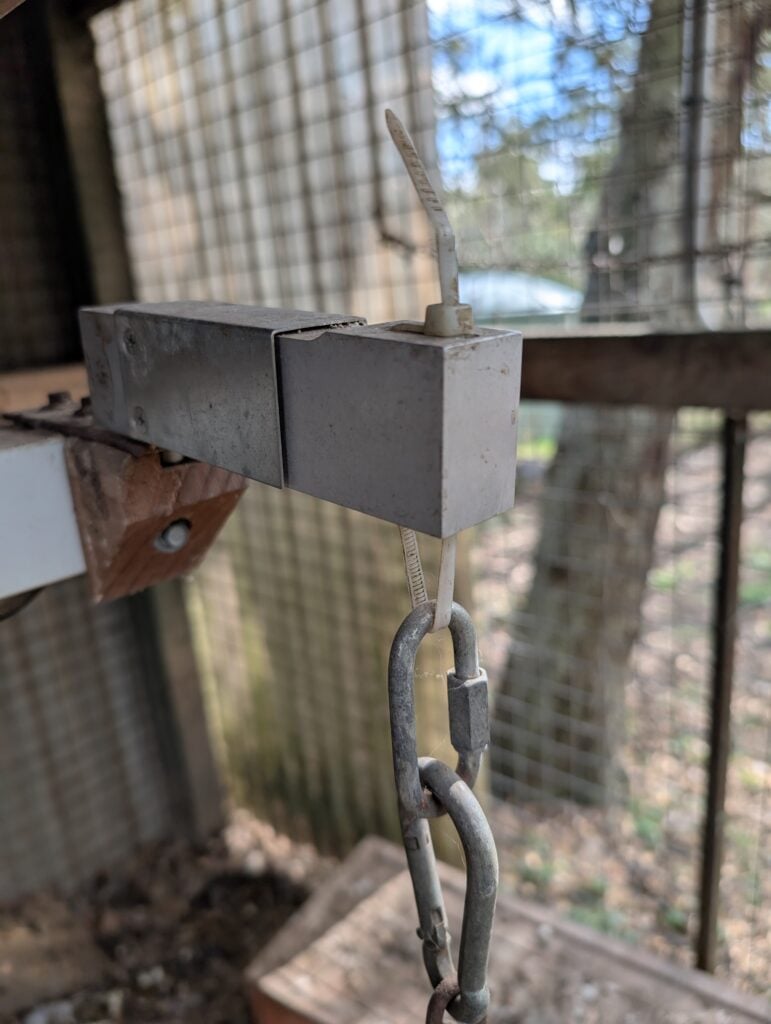
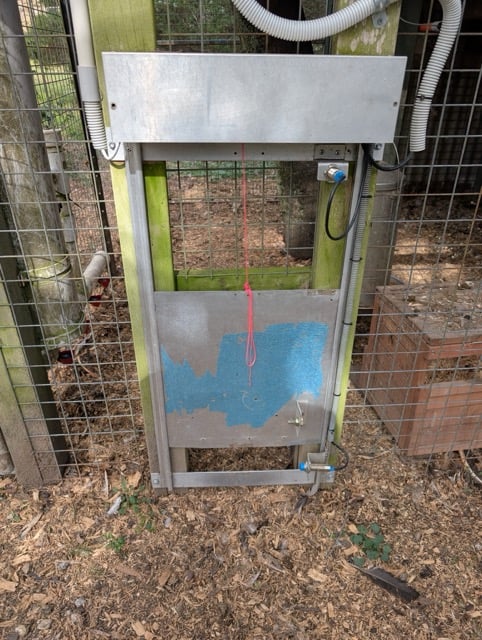
The remaining work is handled by the ESP32. Its initial role was simply to power Raspberry Pi on and off at preset, configurable times to conserve battery via RTC interrupts; its functionality has since been extended, and it now also checks the door positions and motor encoders. Because many existing Arduino examples also work on the ESP32, these were used to understand how some components are controlled before the code was ported to Java and Pi4J.
Chicken town
Dave is the first to admit that this solution is most likely over-engineered and therefore not cost-effective — but it’s the perfect way to fully automate his chicken coop. He has no plans to turn it into a commercial product either; instead, he shares both the software and hardware on Bitbucket.
The new issue of Raspberry Pi Official Magazine is out now!
You can grab this issue from Tesco, Sainsbury’s, Asda, WHSmith, and other newsagents, including the Raspberry Pi Store in Cambridge. It’s also available from our online store, which ships around the world. And you can get a digital version via our app on Android or iOS.
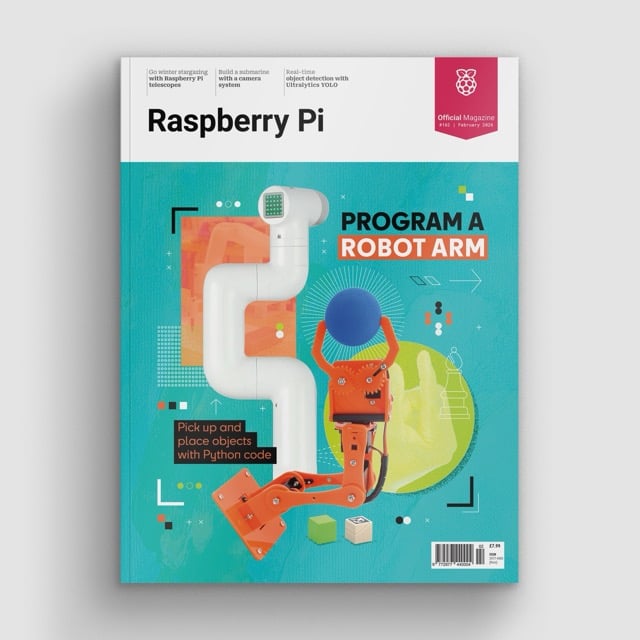
You can also subscribe to the print version of our magazine. Not only do we deliver worldwide, but people who sign up to the six- or twelve-month print subscription get a FREE Raspberry Pi Pico 2 W!
The post SmartCoop: Controlling chickens with Java appeared first on Raspberry Pi.
from News - Raspberry Pi https://ift.tt/gCo7L8T
Labels: News - Raspberry Pi, IFTTT

0 Comments:
Post a Comment
Subscribe to Post Comments [Atom]
<< Home